
Key Reasons for Rupee Depreciation
The Indian rupee may weaken to around 90 against the US dollar soon due to delayed trade deals and strong dollar demand. This reflects economic challenges but could improve once agreements are finalized.
MARKET NEWS
Harsh Garg
11/24/20252 min read
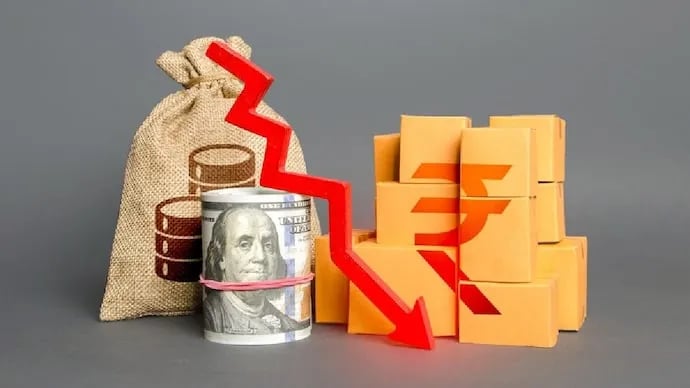
In the near future, perhaps by December 2025 or March 2026, the Indian rupee, which is currently under pressure, is predicted to decline even further in relation to the US dollar, possibly hitting the psychological level of 90. Delays in a significant trade agreement between the US and India, capital outflows, growing trade deficits from imports like gold, and a stronger US dollar internationally are the major causes of this fall, according to a number of economic experts and reports. The rupee has already experienced a 4.5% decline this year, and it just hit record lows of 89.5.
Key reasons for the rupee's potential drop to 90 include:
Uncertainty and delay in India-US trade deal finalization, which is expected to improve inflows and stabilize the currency once resolved.
Capital outflows prompted by global market volatility and higher US interest rates.
A widening trade deficit, particularly driven by increased demand for dollars for imports such as gold and crude oil.
Strengthening of the US dollar in global markets, reinforced by economic data and monetary policy outlook from the US Federal Reserve.
Geopolitical concerns and global economic conditions further weighing on emerging market currencies like the rupee.
Although they warn that medium-term depreciation pressures still exist, economists are cautiously optimistic that the rupee could partly recover to the 88–88.5 area once the trade agreement is finalized. By the end of the year or the beginning of 2026, according to some projections, the rupee may move around 90 against the dollar before potentially gaining momentum based on trade events and RBI actions.
In general, the rupee's decline to 90 is attributed to both internal issues like trade and capital flow dynamics and external pressure from the rise of the dollar. It is anticipated that the Reserve Bank of India will use targeted interventions to prevent excessive volatility rather than to fix the currency rate.
India's export competitiveness, inflation, and import costs will all be impacted by this scenario. A declining rupee would help exporters, but it might also increase the cost of imports like oil, which would affect the current account deficit.
In conclusion, trade deal uncertainty, the strength of the global dollar, and capital outflows might cause the rupee to fall to about 90 against the US dollar. If these problems are resolved favorably by early 2026, the rupee may then rise.
Follow us on


Smart Money Management is a finance platform dedicated to helping people make smarter decisions about earning, investing, and managing money.
Quick Links
Contact Us

smm@smartmoneymanagement.site
© 2026 Smart Money Management. All Rights Reserved